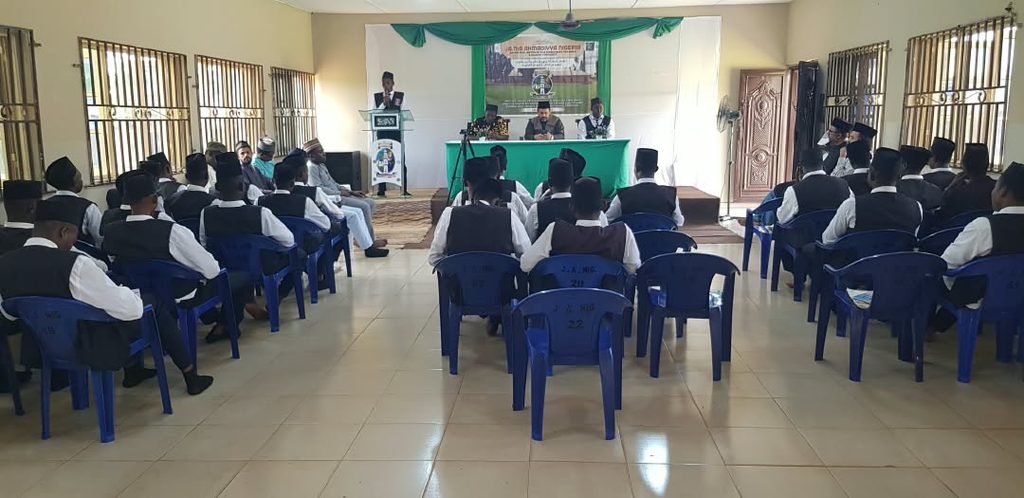
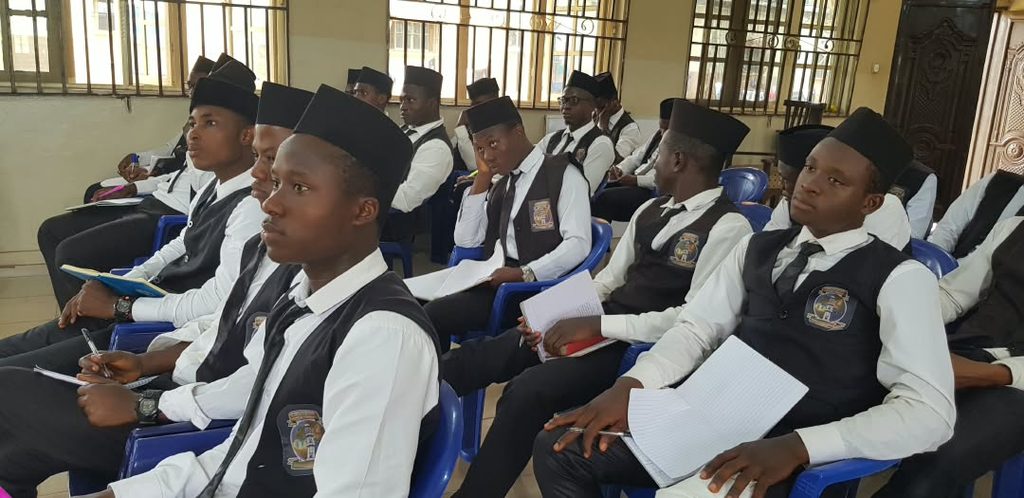
Jamia Ahmadiyya Nigeria commemorated Nigeria’s Independence Day with a special programme on the 30th of September, 2026. The students and staff gathered to reflect on where the country has come from and what citizens owe it.
The event opened with a recitation from the Holy Qur’an, followed by a qaseedah. The National Anthem came next, and everyone in the hall rose to sing it in honour of the country.
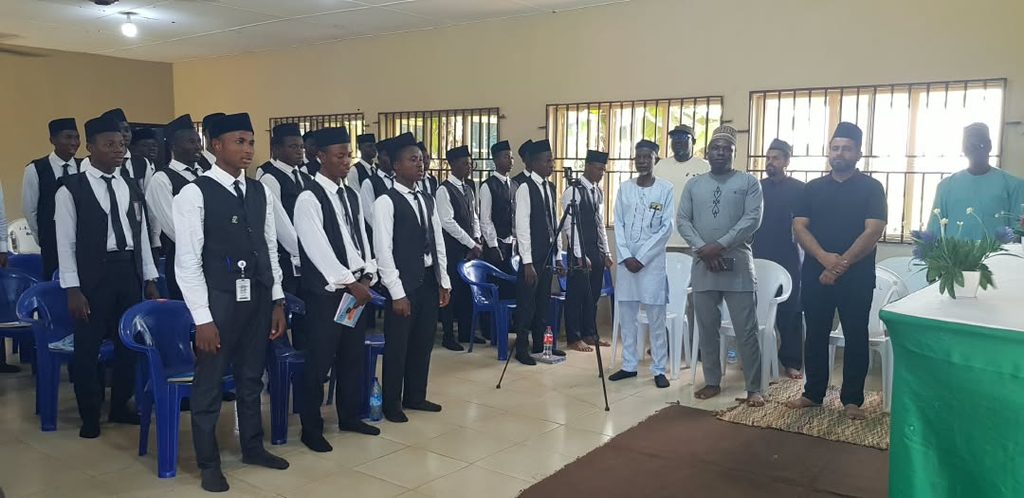
A JOURNEY THROUGH THE NATION’S HISTORY
The first presentation was delivered by Abdul Ghaniy M. Taofeeq, a student of the Jamia Ahmadiyya Nigeria. He took the audience through the history of Nigeria in broad sweeps, beginning with the societies and kingdoms that existed before the British arrived. He then covered the colonial period and the amalgamation of the Northern and Southern Protectorates, and followed the road to independence and the years after it: the First Republic, the coups, the civil war and the reconciliation that came with its end, the oil boom, the economic troubles that followed, the Second Republic, and the challenges the country faces today.
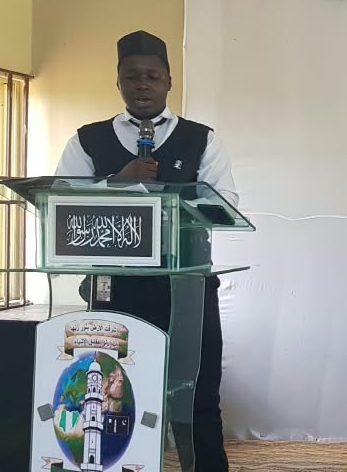
The talk gave a fuller picture of how the present came to be. The history he described includes failures as well as achievements, and it left the audience with the sense that a nation’s story is still being written by those who live in it.
FAITH AS THE ROOT OF PATRIOTISM
The second presentation, by Maulvi Lamina Nurullah sahib, Lecturer at Jamia Ahmadiyya Nigeria, was titled “Faith, Patriotism and Loyalty to One’s Country.” He argued that in Islam, love of country grows out of faith and does not compete with it. He cited the saying of the Holy Prophet Muhammad (peace be upon him) that love for one’s country is part of faith.
He drew on the teachings of the Promised Messiah (as) and his successors. He recalled Hazrat Musleh Maud (ra), who said in his 1927 lecture at Bradlaugh Hall, Lahore, that a person who abandons faith and clings only to patriotism will lose both, since it is faith that produces patriotism and not the other way round.
He also cited the concluding address of Hazrat Musleh Maud (ra) to the Khuddam-ul-Ahmadiyya Ijtema on 1 November 1952, in which the Khalifa urged Ahmadis to serve their country with more diligence than anyone else, whatever their line of work. In that address, he said no Ahmadi doctor, lawyer, trader, clerk, landowner or labourer could claim to have met their national responsibility until each had set that goal in their own field.
Finally, he turned to the address of Hazrat Khalifatul Masih V (aba) at the Military Headquarters in Koblenz, Germany, on 30 May 2012. His Holiness (aba) explained that loyalty means fulfilling one’s pledges and covenants at every level and in every circumstance, and that a citizen’s words and conduct must never show double standards. Because love of country is part of Islam, he said, there can be no conflict between a Muslim’s love for God and his love for his nation.
He closed with a prayer that Allah help every Nigerian understand the true meaning of patriotism and loyalty, and bless the country with peace, progress and prosperity.
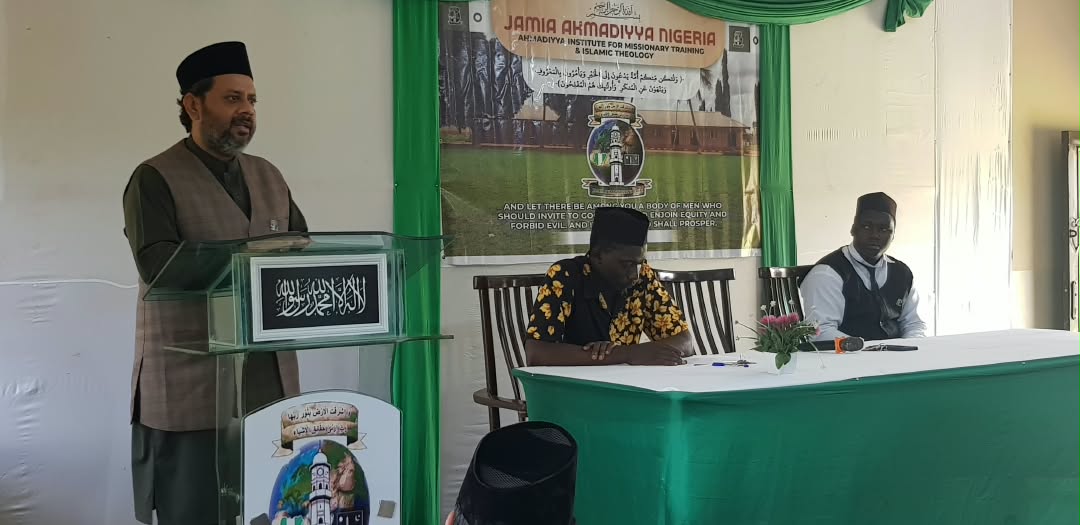
The Principal sahib, Hafiz Syed Shahid Ahmed Sahib, then addressed the gathering. He reminded students and staff to be good citizens and to contribute their share to the growth of Nigeria. He said that each person serves the country according to his or her capacity, and that for the Jamia community one of the most valuable forms of service is spreading the message of salvation in Islam. He added that they should teach good morals and work to reform the society around them. In his view, a nation is improved most by the character of its people.
The programme ended with prayers for the peace and stability of Nigeria.
No comment